Health Risks Associated With Wildlife Living in or Around Your Home
Wildlife removal experts can help eliminate animals that pose health risks associated with wildlife living in or around your home, ensuring a safer living environment.
Many property owners in the area are discovering that wildlife living in or around their homes can pose significant health risks. Animals such as raccoons, squirrels, bats, and birds often seek shelter in attics, crawl spaces, and wall cavities, sometimes unknowingly bringing with them bacteria, parasites, and other pathogens. These health concerns are important to consider, especially since some wildlife can carry diseases that may be transmitted to humans or pets through bites, droppings, or contaminated surfaces. Understanding these potential hazards encourages proactive measures to keep homes safe and healthy.
For those noticing signs of wildlife activity or simply wanting peace of mind, local service providers specializing in wildlife removal can help address these issues effectively. Skilled contractors focus on safely and humanely removing animals and sealing entry points to prevent future visits. Connecting with experienced wildlife removal professionals ensures that health risks associated with wildlife living in or around a home are managed properly, helping property owners maintain a clean and secure living environment.
- Wildlife exclusion - local contractors can identify entry points where animals may enter your home, reducing exposure to potential health hazards.
- Rodent removal - professionals handle infestations that pose risks of disease transmission through droppings and bites.
- Bat control - experts safely remove bats to prevent exposure to rabies and other airborne pathogens.
- Bird deterrent services - local service providers help eliminate bird nesting sites that can harbor parasites and bacteria.
- Squirrel removal - specialists address squirrel infestations to minimize contact with feces and the spread of disease.
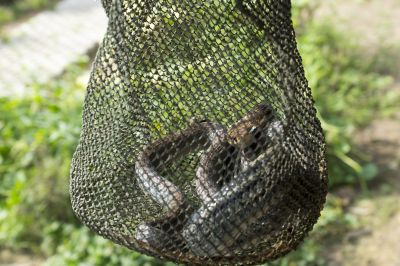
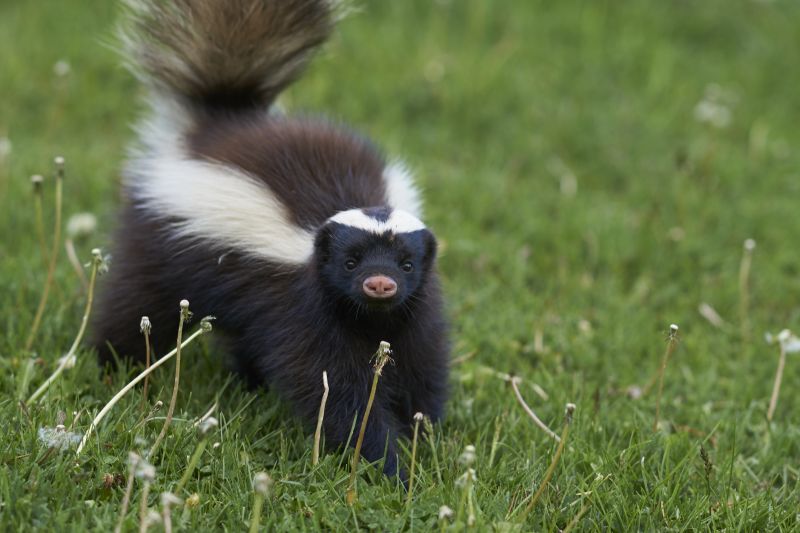
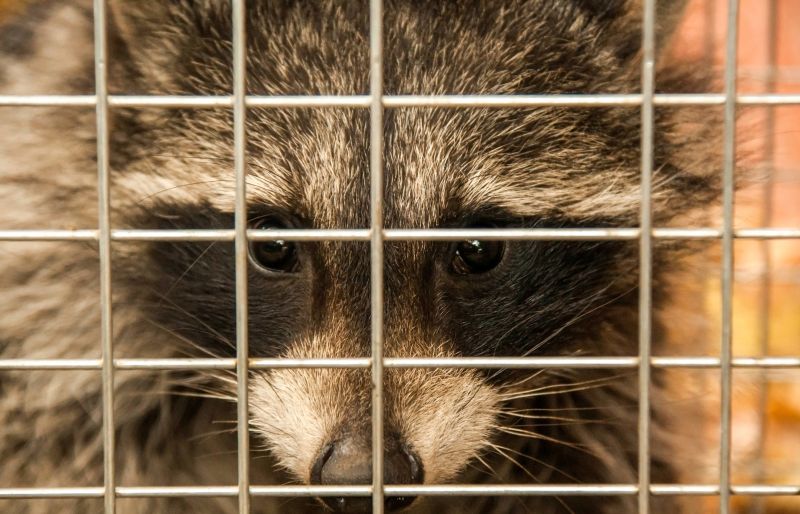
When homeowners search for information about health risks associated with wildlife living in or around their home, they are often concerned about the potential dangers posed by animals that have made their property a habitat. This topic typically relates to issues such as animal droppings, nesting sites, and the presence of pests like rodents, bats, raccoons, or squirrels. These animals can carry diseases or parasites that may be transmitted to humans or pets, making it important to understand the risks involved. Many people are seeking guidance on how to identify signs of wildlife intrusion and how to address these issues safely to protect their household’s health.
This concern is relevant for a variety of property types, especially those that offer easy access or shelter for wildlife. Residential homes, especially those with attics, basements, or poorly sealed entry points, are common targets for animals seeking refuge. Additionally, rural properties, farms, and cabins often face similar issues due to their proximity to natural habitats. Commercial properties like barns, warehouses, or outbuildings can also become habitats for wildlife, increasing the risk of health hazards. Understanding the specific vulnerabilities of different property types helps homeowners and property managers recognize when wildlife may be living nearby and the potential health implications.
The problems associated with wildlife living in or around a home extend beyond just nuisance; they can pose serious health threats. Animal droppings can harbor bacteria, fungi, and parasites that cause illnesses such as histoplasmosis, leptospirosis, or salmonella. Nests built within walls or attics may attract pests like fleas or mites, which can also transmit diseases. Additionally, some animals, such as bats or raccoons, may carry rabies, a deadly disease that can be transmitted through bites or scratches. Recognizing these risks underscores the importance of professional wildlife removal services, which can safely and effectively remove animals and mitigate health hazards.
Local wildlife removal service providers play a crucial role in addressing health risks associated with wildlife living in or around homes. These professionals are equipped to identify entry points, safely remove animals, and implement exclusion methods to prevent future intrusions. Their expertise helps reduce the presence of pests and minimizes exposure to harmful pathogens. Engaging with experienced service providers ensures that wildlife is handled humanely and that the property is secured against future risks. For homeowners concerned about health hazards linked to wildlife, connecting with local pros offers a practical step toward creating a safer, healthier living environment.
Pest Control Projects - These projects involve managing and eliminating pests that can carry diseases, similar to wildlife removal efforts focused on health risks associated with wildlife living in or around your home.
Rodent Exclusion Services - Contractors specializing in rodent exclusion help prevent rodents from entering homes, reducing potential health hazards linked to wildlife infestations.
Attic Insulation and Sealing - Sealing entry points and installing insulation can prevent wildlife from nesting indoors, addressing health concerns related to animals living in or around the home.
Bird Control and Deterrent Projects - These services focus on deterring birds from roosting on structures, which can help mitigate health risks associated with bird droppings and parasites.
Wildlife Damage Repair - Contractors repair damage caused by wildlife, reducing the likelihood of health issues stemming from animal-related deterioration or contamination.
Structural Inspection Services - Inspections identify vulnerabilities that wildlife might exploit to enter a home, helping to prevent health risks linked to wildlife inhabitation.
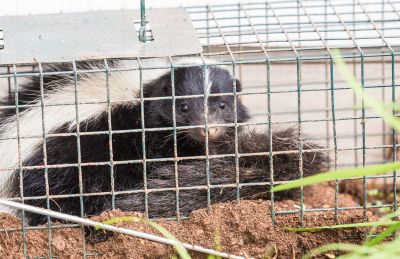
When evaluating wildlife removal service providers, it’s important to consider their experience with similar projects involving wildlife living in or around homes. A contractor with a proven track record in handling cases related to health risks associated with wildlife is more likely to understand the specific challenges involved. This experience can help ensure they are familiar with effective removal techniques and the proper steps to minimize health hazards, such as disease transmission or contamination, during the process. Asking about their past work with properties similar to your own can provide insight into their familiarity with local wildlife behaviors and common issues, helping to identify providers who are well-equipped to manage your situation safely.
Clear, written expectations are essential when choosing a wildlife removal service. A reputable contractor should be able to outline the scope of work, including inspection procedures, removal methods, and follow-up steps to prevent future issues. This transparency helps ensure that both parties understand what is involved in addressing health risks associated with wildlife living in or around your home. Well-defined expectations also serve as a foundation for accountability, making it easier to evaluate whether the service provider’s approach aligns with your concerns about health safety and the specific risks posed by the wildlife in your area.
Good communication and reputable references are key indicators of a trustworthy service provider. Contractors who are responsive and willing to answer questions about their process demonstrate professionalism and a commitment to customer understanding. Additionally, seeking references or reviews from previous clients can provide valuable insights into their experience with similar wildlife-related health risks. Reliable service providers will be able to share examples of how they successfully managed wildlife issues while addressing safety concerns, giving you confidence that they can handle your project effectively and with attention to your health and safety priorities.
Property owners often search for health risks associated with wildlife living in or around your home when they are planning practical projects around their homes and businesses. Local pros provide Wildlife Removal services for everyday jobs and straightforward project options.
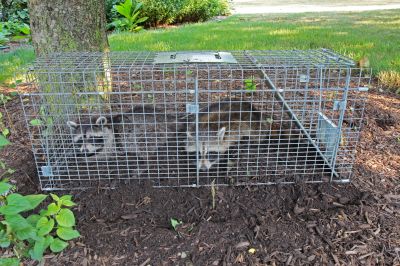
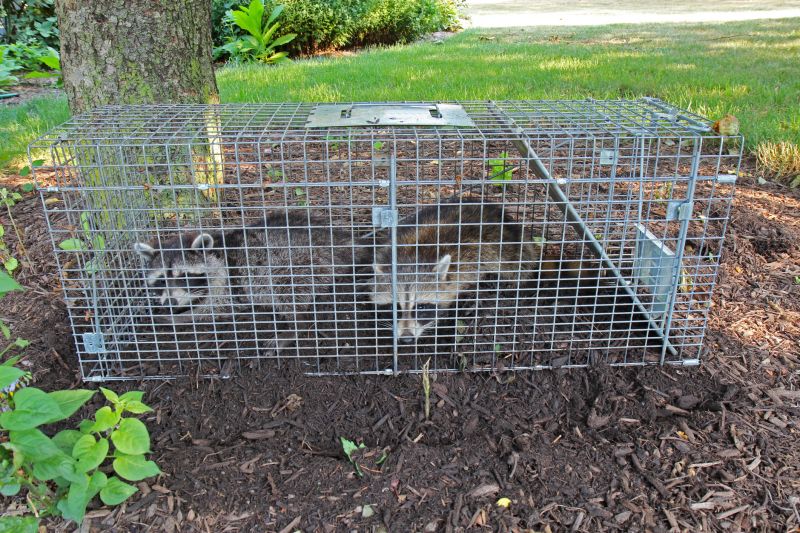
Wildlife living in or around a home can pose several health risks that property owners should be aware of. Animals such as rodents, raccoons, bats, and birds can carry diseases that may be transmitted to humans through bites, scratches, or contact with droppings and nesting materials. Additionally, their presence can lead to the spread of parasites like fleas, ticks, and mites, which can cause further health concerns. Recognizing the potential dangers and understanding how wildlife can impact health is a common reason why homeowners seek the assistance of local contractors experienced in wildlife removal.
Property owners often look into wildlife removal services to address issues like animal infestations that could compromise indoor air quality or create unsanitary conditions. Wildlife can also cause structural damage, leading to entry points that allow more animals to access the home. By working with local service providers, homeowners can effectively remove wildlife and prevent future health-related problems. These professionals are equipped to handle the situation safely and humanely, helping to maintain a healthier living environment.
What health risks are associated with wildlife living in or around a home? Wildlife can carry diseases such as rabies, hantavirus, and parasites that pose health risks to residents. Local contractors can help remove these animals safely to reduce exposure to potential health hazards.
How can wildlife in my home affect my family's health? Wildlife presence can lead to the spread of bacteria, viruses, and parasites, increasing the risk of illness. Professional wildlife removal services can prevent these health issues by safely removing animals and sealing entry points.
Are there specific health concerns related to rodents or bats in the home? Yes, rodents and bats can transmit diseases like leptospirosis and histoplasmosis. Local service providers can eliminate these pests and mitigate health risks associated with their presence.
What are the dangers of wildlife droppings and nests around the house? Droppings and nests can harbor bacteria, fungi, and parasites that may cause respiratory issues or infections. Wildlife removal experts can safely remove contaminated materials to protect health.
Why is it important to address wildlife living in or around a home promptly? Ignoring wildlife can lead to increased exposure to health risks, including disease transmission and parasite infestation. Local contractors can provide effective removal to help maintain a healthy living environment.
Identify wildlife entry points - property owners can inspect their homes for gaps and openings that wildlife may use to get inside, reducing health risks associated with wildlife living in or around the home.
Install preventive barriers - using mesh or fencing provided by local contractors helps block wildlife access, minimizing potential health hazards.
Remove attractants - eliminating food sources and nesting materials around the property can discourage wildlife from settling nearby and reduce associated health risks.
Schedule professional wildlife removal - hiring local service providers ensures safe and effective removal of animals, lowering the chances of disease transmission and health issues.
If you are thinking about health risks associated with wildlife living in or around your home for a property, this guide is meant to help you understand this topic, the typical project types, and how different options might fit your plans.
When you are ready, you can use the quote form on this page to share a few details about your project. From there, local pros can review the basics and follow up with options that match what you have in mind.