Identifying Venomous vs. Non-Venomous Snakes and When to Call a Professional
People seeking to identify venomous versus non-venomous snakes and when to call a professional can rely on local contractors who specialize in safe snake removal and expert identification.
Understanding how to identify venomous versus non-venomous snakes is an essential skill for property owners in areas where these reptiles are common. Recognizing key differences can help prevent unnecessary panic and ensure safety, especially when encountering a snake on your property. Whether you're dealing with a curious visitor or a potential threat, knowing when a snake poses a danger can make all the difference. Local contractors specializing in snake removal are equipped to handle these situations safely and effectively, providing peace of mind for those unsure about the species they’ve encountered.
For many property owners, the decision to seek professional help hinges on identifying whether a snake is venomous and understanding the appropriate response. In some cases, a snake’s appearance can be tricky to interpret, making expert assistance invaluable. When in doubt, reaching out to experienced snake removal specialists ensures the situation is managed correctly, reducing risks and preventing future encounters. Keep reading to learn practical tips for identifying venomous versus non-venomous snakes and discover how local service providers can help maintain a safe, snake-free environment.
- Venomous snake removal services are needed when someone encounters a snake with warning signs of venom, and local contractors can safely identify and remove these dangerous animals.
- Non-venomous snake removal is appropriate when a harmless snake is found in or around a property, with service providers using humane methods to relocate it.
- Identifying venomous vs. non-venomous snakes may involve recognizing physical features or behaviors, and local experts can assist in accurate identification to determine if professional removal is necessary.
- When to call a professional is advised if there is uncertainty about a snake’s species or if it is in a hard-to-reach area, ensuring safe and effective removal by experienced service providers.
- Snake removal services are essential when dealing with potentially dangerous or unfamiliar snakes, with local contractors equipped to handle identification and safe relocation.
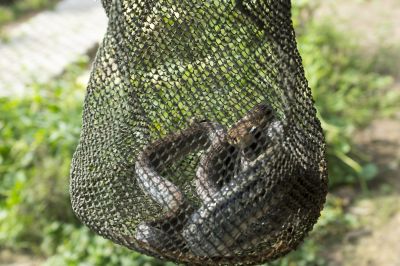
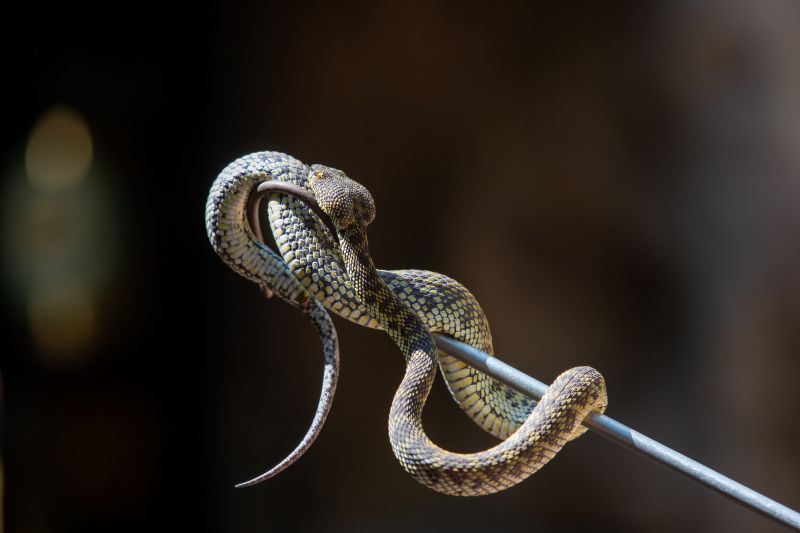
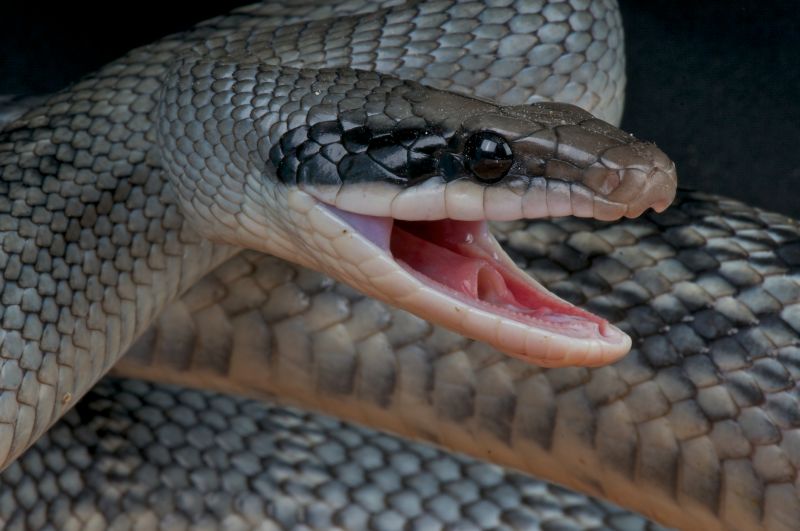
When people search for information about identifying venomous versus non-venomous snakes, they often do so out of concern for safety and the desire to prevent potential bites or injuries. This topic typically relates to homeowners who encounter snakes in their yards, gardens, or around their property and want to determine whether the creature poses a threat. Understanding the differences can help prevent unnecessary panic and guide appropriate actions, such as whether to leave the snake alone or seek professional removal. Homeowners may also be planning outdoor projects or landscaping, making it important to recognize which snakes are harmless and which require expert intervention to ensure safety during property maintenance.
Identifying venomous versus non-venomous snakes involves recognizing certain physical features and behaviors, but it can be tricky for those without experience. Common signs of venomous snakes include specific head shapes, eye shapes, and distinctive markings, though these can vary by species and region. Non-venomous snakes often have different body shapes, head sizes, and color patterns. Despite these general differences, many snakes look similar, which can lead to misidentification. This is why many property owners prefer to consult local service providers who specialize in snake identification and removal, especially when they encounter unfamiliar or potentially dangerous species in their yard or around their home.
The types of properties where snake encounters are most common tend to include rural, suburban, and wooded areas, as well as properties with dense shrubbery, tall grass, or rocky outcroppings. These environments provide ideal hiding spots and hunting grounds for both venomous and non-venomous snakes. Gardens, storage sheds, and woodpiles are also common places where snakes may be spotted. Homeowners working on outdoor projects or landscaping often come across these reptiles, emphasizing the importance of knowing when to recognize a venomous species and when to seek professional assistance. Local contractors experienced in snake removal can safely evaluate the situation and handle the removal process to prevent accidental bites or injuries.
Knowing when to call a professional for snake removal is crucial, especially if there is uncertainty about the species or if the snake is in a hard-to-reach area. While some snakes may be safely relocated if identified as non-venomous, others require expert handling due to their potential danger or habitat. Professionals are trained to identify venomous snakes accurately and to remove them safely and humanely. They also have the proper equipment to handle situations where snakes are hiding in difficult spots, such as inside walls, under decks, or in dense shrubbery. Property owners should not attempt to handle or capture snakes on their own, particularly if there is any suspicion of venomous species, as this can increase the risk of bites and injuries. Connecting with experienced snake removal service providers ensures the situation is managed safely and effectively.
Wildlife Identification Projects - These projects involve distinguishing various snake species and understanding their habitats, aligning with identifying venomous vs. non-venomous snakes and when to call a professional.
Outdoor Safety Assessments - Conducting safety evaluations of residential or commercial properties helps determine potential snake risks and when professional removal services are needed.
Habitat Inspection and Clearing - Projects focusing on inspecting and managing outdoor environments to prevent snake encounters relate directly to recognizing dangerous species and seeking expert help.
Snake Habitat Mapping - Creating detailed maps of snake habitats aids in understanding areas prone to venomous or non-venomous snake presence, guiding when to involve service providers.
Educational Workshops on Wildlife Safety - These initiatives teach communities how to identify venomous versus non-venomous snakes and the importance of professional intervention.
Property Risk Analysis for Wildlife - Assessing properties for potential snake habitats supports identifying when professional removal is advisable to ensure safety.
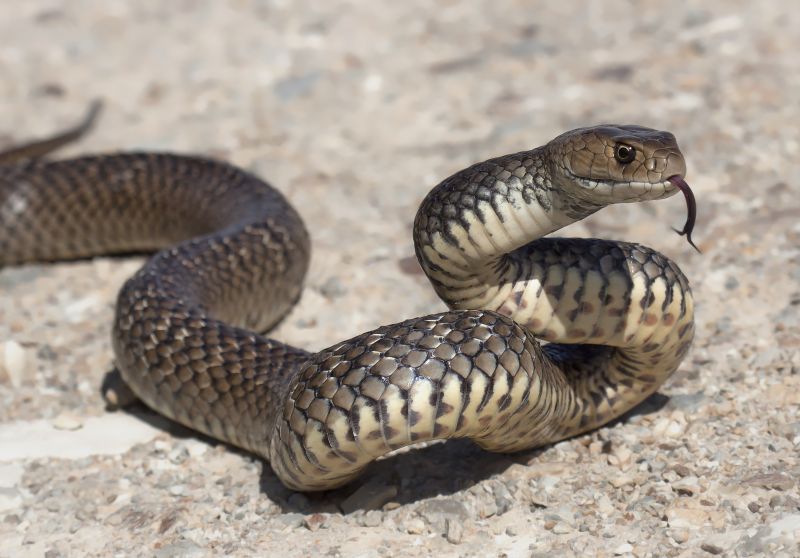
When comparing local snake removal service providers, it is important to consider their experience with similar projects, particularly those involving the identification and safe removal of venomous and non-venomous snakes. An experienced contractor will have a clear understanding of the different species common to the area, enabling them to accurately assess situations and determine when professional intervention is necessary. Additionally, reviewing references or examples of previous work can provide insight into their familiarity with handling sensitive situations safely and effectively, ensuring that the process aligns with safety standards and best practices.
Clear written expectations are essential when evaluating snake removal services. Homeowners should seek providers who communicate their process, scope of work, and safety protocols transparently. This helps establish a mutual understanding of what the service entails, including how they identify venomous versus non-venomous snakes and the steps taken to ensure safe removal. Good communication also allows homeowners to ask questions about the methods used and to clarify any concerns about the safety and appropriateness of the approach, reducing misunderstandings and fostering confidence in the provider’s professionalism.
Finally, the reputation and reliability of local contractors are key factors to consider. Good communication and professionalism often reflect a contractor’s commitment to quality service. Homeowners should look for providers who are known for their responsiveness, transparency, and ability to explain complex issues clearly. Reliable service providers will also offer references or reviews that demonstrate consistent, satisfactory experiences with snake identification and removal. Taking the time to compare these aspects can help ensure that the chosen professional can handle the specific needs of identifying venomous versus non-venomous snakes and when to call a professional, providing peace of mind during what can be a stressful situation.
Property owners often search for identifying venomous vs. non-venomous snakes and when to call a professional when they are planning practical projects around their homes and businesses. Local pros provide Venomous and Non-Venomous Snake Removal services for everyday jobs and straightforward project options.
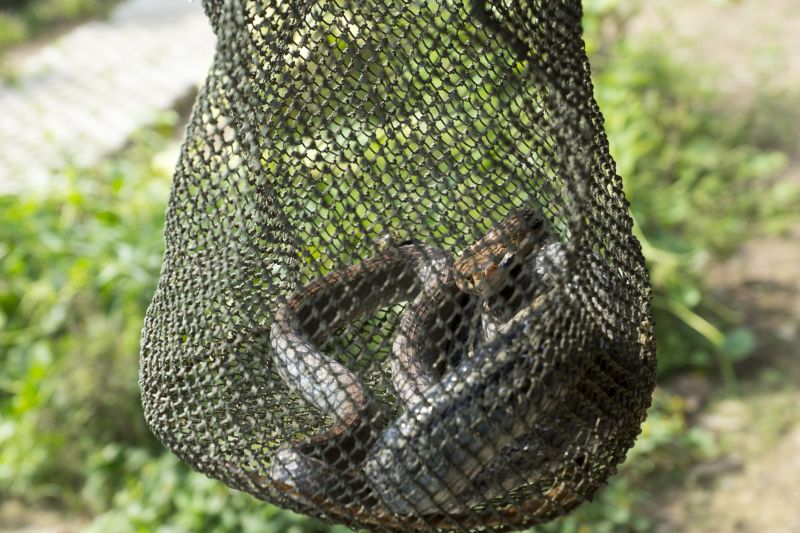
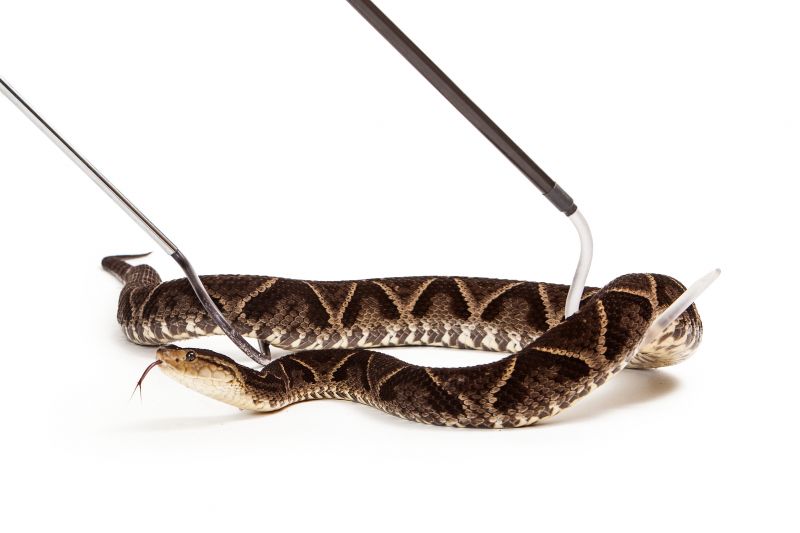
Understanding how to distinguish between venomous and non-venomous snakes can be important for property owners dealing with snake sightings in their yards or around their homes. Recognizing key features such as head shape, color patterns, and eye shape can help determine whether a snake poses a potential threat. When a snake is found in a residential area, it’s often best to avoid handling it directly and instead seek assistance from local contractors who specialize in snake removal. These professionals can safely assess the situation and remove the snake, reducing the risk of bites or other injuries.
In situations where a snake is difficult to identify or appears aggressive, it’s advisable to contact a professional rather than attempting removal alone. Property owners should consider calling local snake removal experts when they encounter a snake that is in a hard-to-reach place, shows signs of distress, or if there’s uncertainty about whether it is venomous. These service providers have the experience and tools necessary to handle the situation safely and effectively, ensuring the property remains secure and free of potential hazards.
How can I tell if a snake is venomous or non-venomous? Identifying venomous vs. non-venomous snakes involves observing features like head shape, eye pupils, color patterns, and scale texture. However, many traits can be similar across species, making accurate identification challenging without expert knowledge. Local contractors specializing in snake removal can help determine whether a snake is venomous and advise on safe removal. If there's uncertainty, it's safest to contact a professional rather than attempting to handle the snake yourself.
What are common signs of a venomous snake? Venomous snakes often have triangular or broader heads, vertical slit pupils, and distinctive color patterns such as bright markings or bands. Non-venomous snakes may have more rounded heads and different eye shapes. Still, these signs can vary, and misidentification is possible. Local snake removal experts can accurately identify venomous snakes and handle removal safely to prevent bites or injuries.
When should I call a professional for snake removal? If you encounter a snake and are unsure whether it is venomous, or if the snake is in a location difficult to access, it is advisable to contact a professional. Experts can safely identify the snake and remove it without risking injury. Calling a professional is especially important if the snake displays warning signs of venomous species or if you feel uncomfortable handling the situation yourself.
Are there specific features that distinguish venomous from non-venomous snakes? Some distinguishing features include head shape, eye pupil type, and color patterns, but these can vary widely among species. Many non-venomous snakes mimic venomous species for protection. Because of these similarities, relying solely on appearance is not recommended. Local snake removal service providers can accurately identify the snake and determine if professional removal is necessary.
What should I do if I find a snake in my yard? Keep a safe distance from the snake and avoid attempting to handle or disturb it. Contact a local snake removal service to identify and safely remove the snake. Professionals have the expertise to distinguish between venomous and non-venomous snakes and can ensure the situation is managed safely and effectively.
Understanding snake characteristics - recognizing key features of venomous versus non-venomous snakes helps property owners identify potential risks and decide when professional removal is needed.
Monitoring outdoor areas - regularly inspecting yards, sheds, and garages can reveal signs of snake activity, prompting property owners to seek expert assistance.
Knowing when to seek professional help - understanding the dangers of handling venomous snakes encourages property owners to contact experienced service providers for safe removal.
Using safe exclusion methods - implementing proper barriers and exclusion techniques with the help of local contractors can prevent snake intrusions and ensure safety.
If you are thinking about identifying venomous vs. non-venomous snakes and when to call a professional for a property, this guide is meant to help you understand this topic, the typical project types, and how different options might fit your plans.
When you are ready, you can use the quote form on this page to share a few details about your project. From there, local pros can review the basics and follow up with options that match what you have in mind.