What to Expect During Professional Wildlife Removal Service
People seeking wildlife removal usually want safe, humane removal of animals from their property, and local service providers can handle the job professionally and efficiently.
If you're curious about what to expect during professional wildlife removal service, you're in the right place. Property owners in the area often seek out these services to address unexpected visitors like raccoons, squirrels, or bats that have found their way into homes or businesses. Understanding the general process can help alleviate concerns and prepare you for the steps involved. Local contractors specializing in wildlife removal typically start with an assessment to identify the species involved and locate entry points, ensuring they approach the situation with a practical plan tailored to your property’s needs.
Throughout the service, you can expect a focus on humane and effective removal methods, with efforts made to restore safety and prevent future visits. Many wildlife removal professionals also offer advice on securing your property and sealing entry points, which can be crucial for long-term peace of mind. By familiarizing yourself with what the process entails, you can better understand how local service providers handle wildlife issues efficiently and responsibly, making it easier to choose the right professional for your situation.
- **Wildlife exclusion** - when animals have entered a property and need to be safely removed and kept out, local contractors typically assess entry points and implement humane exclusion methods.
- **Nesting removal** - during periods when animals have built nests in attics or eaves, service providers carefully remove nests and prevent future access.
- **Infestation cleanup** - after wildlife has been removed, local pros often handle debris and sanitation to restore the space to a clean condition.
- **Damage repair** - if wildlife has caused structural damage, professionals can evaluate and perform necessary repairs to prevent re-entry.
- **Preventative sealing** - to avoid future issues, local contractors typically seal entry points and advise on maintenance practices during the service.
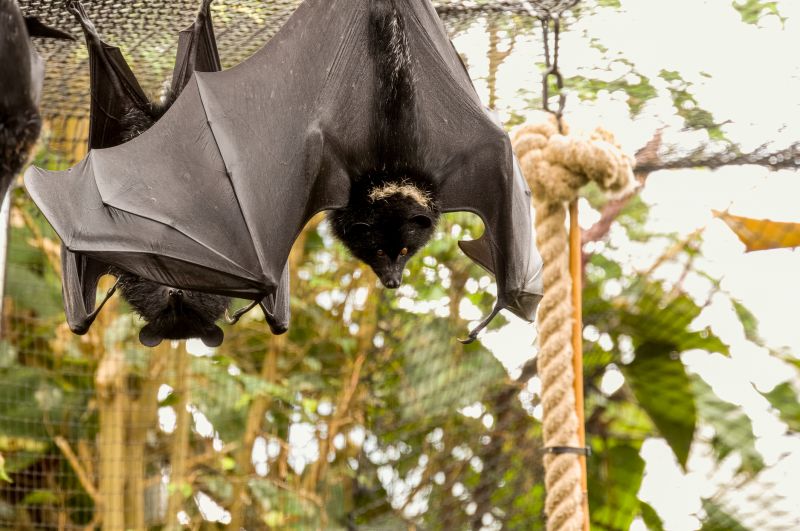
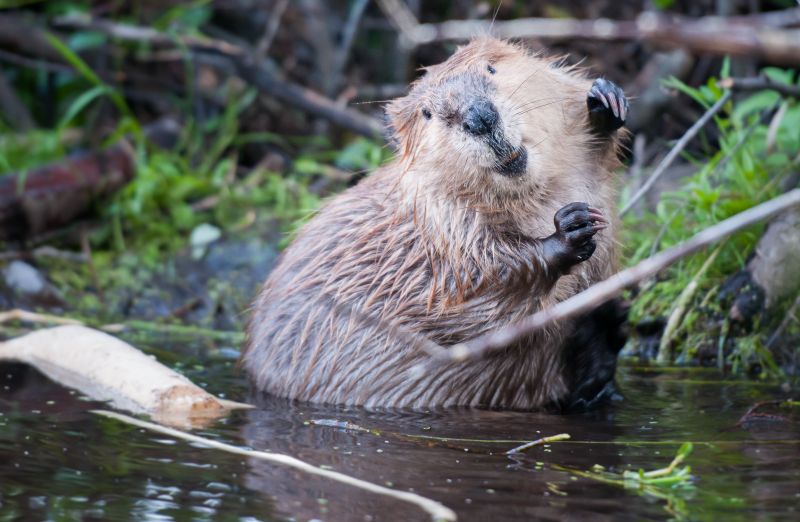
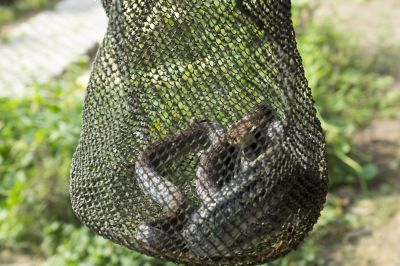
When searching for information about what to expect during professional wildlife removal service, homeowners often want to understand how the process unfolds and what steps are involved. Typically, these services are sought when unwanted animals-such as raccoons, squirrels, bats, or birds-have taken up residence in or around a property. People may be dealing with issues like noise, damage to structures, droppings, or health concerns related to animal intrusion. The goal of professional wildlife removal is to safely and humanely eliminate these pests, restore the safety of the property, and prevent future problems. Understanding the general flow of the service helps homeowners feel more prepared and aware of how local contractors approach these situations.
Wildlife removal services generally relate to a variety of property types, including residential homes, garages, attics, basements, and even commercial buildings. The kinds of problems encountered often depend on the property’s design and location. For example, homes with accessible rooflines or large trees nearby may be more prone to raccoon or squirrel activity, while structures with gaps or damaged soffits might attract bats or birds. Commercial properties, such as warehouses or storage facilities, can also experience wildlife issues, especially if they have open or poorly sealed entry points. Local service providers are experienced in assessing these different property types and tailoring their approach to ensure effective removal and exclusion, regardless of the building’s size or complexity.
During a typical wildlife removal service, homeowners can expect a thorough inspection of the affected property. This initial step involves identifying the type of animal involved, locating entry and exit points, and assessing the extent of the infestation or damage. Once the problem is understood, the service provider will proceed with humane removal methods, which may include trapping or exclusion techniques designed to encourage animals to leave without harm. After the animals are removed, the process often involves sealing off entry points and repairing damage to prevent re-entry. Homeowners should also anticipate some level of disturbance during the process, but professionals aim to minimize disruption while ensuring the property is secure and animal-free.
Understanding what to expect during professional wildlife removal service can help homeowners prepare for the process and recognize the importance of hiring experienced local service providers. These professionals bring knowledge of local wildlife behaviors and common property vulnerabilities, allowing them to develop effective strategies for removal and prevention. Their goal is to resolve the immediate problem while reducing the risk of future encounters. By working with local pros, homeowners gain access to tailored solutions that consider the specific wildlife challenges in their area and the unique features of their property, ensuring a comprehensive approach to wildlife management.
Bird Control Projects - Local contractors often handle bird exclusion and nesting prevention, which share similar planning and removal techniques as wildlife removal services.
Bat Removal Services - Bat exclusion and removal require specialized tools and knowledge, aligning closely with the skills used during general wildlife removal efforts.
Rodent Proofing Projects - Sealing entry points and implementing deterrents in rodent proofing projects involve similar inspection and sealing strategies as wildlife exclusion services.
Squirrel Removal Services - Squirrel removal involves humane trapping and exclusion methods comparable to those used in broader wildlife management tasks.
Pest Deterrent Installations - Installing deterrents and barriers to prevent wildlife entry requires planning and tools similar to those used in wildlife removal procedures.
Animal Habitat Modification - Modifying environments to discourage wildlife presence involves assessment, planning, and implementation skills akin to wildlife removal services.
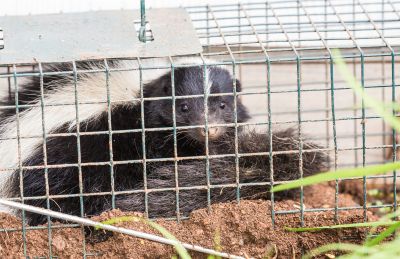
When comparing wildlife removal service providers, it is important to consider their experience with similar projects. Homeowners should inquire whether local contractors have a history of handling wildlife issues comparable to their situation, such as removing raccoons from attics or bats from wall cavities. An experienced pro will typically have a better understanding of effective strategies and potential challenges, which can contribute to a smoother process. Ensuring that a service provider has a proven track record with comparable wildlife removal tasks can help set expectations for the scope and complexity of the service.
Clear written expectations are essential when evaluating wildlife removal services. Homeowners should seek providers who can outline the steps involved in the process, including inspection, removal, and prevention measures, in a detailed and understandable manner. Well-documented expectations help prevent misunderstandings and ensure that both parties are aligned on what the service entails. A reputable local contractor will be transparent about what their service includes and any limitations, giving homeowners confidence in the scope of work.
Reputable references and good communication are key factors to consider when choosing wildlife removal professionals. Homeowners can ask for references or reviews from previous clients to gauge the quality of service and reliability of the provider. Additionally, a service provider who maintains open, responsive communication can better address questions, provide updates, and clarify any concerns throughout the process. This level of professionalism and transparency helps ensure that the homeowner remains informed and comfortable with what to expect during professional wildlife removal service.
Property owners often search for what to expect during professional wildlife removal service when they are planning practical projects around their homes and businesses. Local pros provide Wildlife Removal services for everyday jobs and straightforward project options.
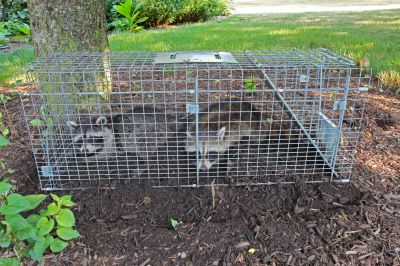
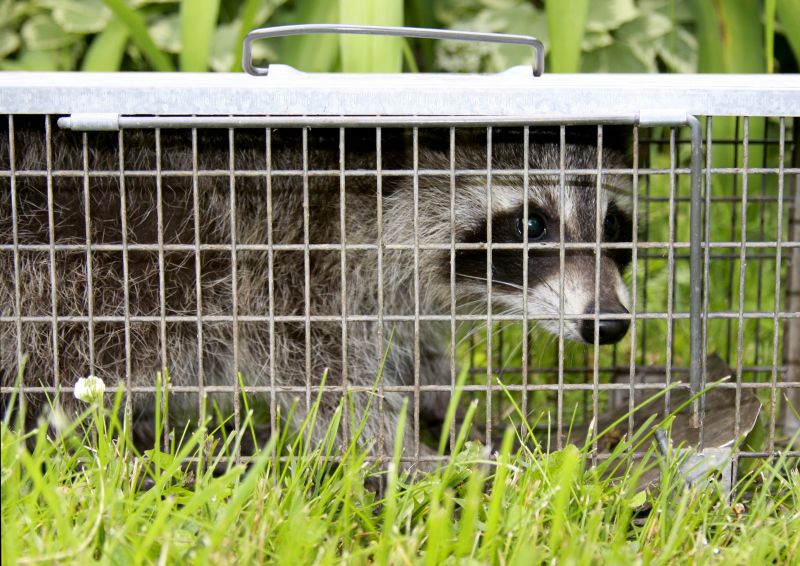
During a professional wildlife removal service, property owners can typically expect a thorough assessment of the affected areas. Local contractors will inspect the property to identify how wildlife has entered and assess the extent of the issue. This initial step helps determine the most appropriate removal methods and ensures that the wildlife is handled humanely. Throughout the process, service providers aim to minimize disruption to the property and ensure that the wildlife is safely removed, often using traps or exclusion techniques suited to the specific situation.
Many property owners seek wildlife removal services to address common situations such as raccoons in the attic, squirrels nesting in walls, or birds roosting on rooftops. During the service, local contractors may also provide advice on preventing future issues, such as sealing entry points or making structural adjustments. Understanding what to expect during professional wildlife removal service can help property owners feel more prepared for the process, knowing that experienced service providers are equipped to handle a variety of everyday situations involving unwanted wildlife.
What should I expect during professional wildlife removal service? During the service, local contractors typically inspect your property to identify entry points and wildlife activity, then carefully remove the animals using humane methods, ensuring minimal disruption to your home or property.
Will the wildlife removal process be disruptive? The process is generally designed to be as unobtrusive as possible, with professionals working efficiently to remove wildlife and seal entry points without causing unnecessary disturbance.
Are there any follow-up steps involved after wildlife removal? Yes, local service providers often recommend sealing entry points and inspecting the property to prevent future wildlife issues, which may involve additional work or advice on property maintenance.
What equipment or tools do wildlife removal professionals use? Local contractors typically use humane traps, protective gear, and sealing materials to safely and effectively remove wildlife and secure your property against re-entry.
What can I do to prepare for wildlife removal services? Property owners should clear the area around entry points and remove attractants like food or debris, making it easier for professionals to access problem areas and perform the removal efficiently.
Initial Inspection - Property owners can expect a thorough assessment of the affected areas to identify wildlife entry points and nesting sites, helping them understand the scope of the removal project.
Wildlife Removal Techniques - Local contractors employ humane methods to safely remove animals, ensuring minimal disruption to the property and its occupants during the process.
Exclusion and Sealing - After removal, professionals will seal entry points to prevent future wildlife intrusions, which property owners can incorporate into ongoing maintenance routines.
Cleanup and Restoration - Service providers often include cleanup of droppings and debris, allowing property owners to restore their space to a clean and safe condition after wildlife removal.
If you are thinking about what to expect during professional wildlife removal service for a property, this guide is meant to help you understand this topic, the typical project types, and how different options might fit your plans.
When you are ready, you can use the quote form on this page to share a few details about your project. From there, local pros can review the basics and follow up with options that match what you have in mind.